𝗖𝗖𝗦 𝗶𝘀 𝗯𝗲𝗰𝗼𝗺𝗶𝗻𝗴 𝗺𝗼𝗿𝗲 𝗲𝘅𝗽𝗲𝗻𝘀𝗶𝘃𝗲 𝘁𝗵𝗮𝗻 𝗶𝘁 𝗻𝗲𝗲𝗱𝘀 𝘁𝗼 𝗯𝗲.
Not because the technology is immature.
But because of how we’ve designed the risk.
Across Europe, the debate still revolves around funding envelopes.
But early CCS experience suggests something more structural: the bottleneck is coordination, not capture technology.
Capture projects are being engineered.
Storage initiatives are progressing.
Industrial actors are ready.
The constraint is how the value chain fits together.
Storage is not just geology. It becomes real only when reservoirs are characterised, permitted, connected to infrastructure — and backed by contracted volumes.
Without reliable storage access, capture projects are hard to finance.
Without committed volumes, storage projects are risky to develop.
This circular dependency is not a national issue.
It is a European system design challenge.
CCS is capital-intensive and long-term. Capital prices uncertainty.
If storage maturity, transport access and cross-border interoperability remain unclear — and individual projects carry full value-chain risk — costs increase.
Higher risk means higher required support. Or fewer realised projects.
For cement, steel and waste-to-energy, CCS is not optional. Under the EU ETS, it is increasingly a competitiveness condition.
The policy question should shift from:
“𝗛𝗼𝘄 𝗺𝘂𝗰𝗵 𝗳𝘂𝗻𝗱𝗶𝗻𝗴 𝗶𝘀 𝗻𝗲𝗲𝗱𝗲𝗱?”
to
“𝗛𝗼𝘄 𝗱𝗼 𝘄𝗲 𝗿𝗲𝗱𝘂𝗰𝗲 𝘀𝘆𝘀𝘁𝗲𝗺𝗶𝗰 𝗿𝗶𝘀𝗸 𝗮𝗰𝗿𝗼𝘀𝘀 𝘁𝗵𝗲 𝗻𝗲𝘁𝘄𝗼𝗿𝗸?”
𝘊𝘊𝘚 𝘪𝘴 𝘯𝘰𝘵 𝘢 𝘤𝘰𝘭𝘭𝘦𝘤𝘵𝘪𝘰𝘯 𝘰𝘧 𝘱𝘳𝘰𝘫𝘦𝘤𝘵𝘴.
𝘐𝘵 𝘪𝘴 𝘢 𝘯𝘦𝘵𝘸𝘰𝘳𝘬 𝘪𝘯𝘥𝘶𝘴𝘵𝘳𝘺 𝘪𝘯 𝘵𝘩𝘦 𝘮𝘢𝘬𝘪𝘯𝘨.
𝘎𝘦𝘰𝘭𝘰𝘨𝘺 𝘤𝘳𝘦𝘢𝘵𝘦𝘴 𝘱𝘰𝘵𝘦𝘯𝘵𝘪𝘢𝘭.
𝘊𝘰𝘰𝘳𝘥𝘪𝘯𝘢𝘵𝘪𝘰𝘯 𝘤𝘳𝘦𝘢𝘵𝘦𝘴 𝘮𝘢𝘳𝘬𝘦𝘵𝘴.
If Europe gets the architecture right, CCS can scale faster — and at lower cost.
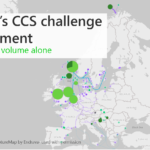

Clarifying Europe’s future CO₂ infrastructure
(+45) 2046 4587
© 2026 CO2 Hub Europe